High Water Pressure: The Silent Cause of Burst Pipes
Strong water feels great, until it quietly destroys your plumbing. Here's how pressure becomes a burst, and how to stop it.
Spotted water somewhere it shouldn’t be? Describe it on the call and we’ll help you judge the safest next step before anyone comes out.
Call (562) 245-5416 Request ServiceCommon questions
Straight answers on water pressure and burst pipes.
What is considered high water pressure in a home?
Most plumbing codes cap residential pressure at 80 psi, and anything above that is high. We generally like to see homes running between 40 and 60 psi, strong enough to feel great in the shower, gentle enough that pipes, joints, and fixtures last.
How can I test my home's water pressure?
Thread a water-pressure gauge onto an outdoor hose bibb, turn the faucet on fully, and read the dial. For the most honest reading, test in the morning, pressure often runs highest overnight when neighborhood demand is low. A gauge costs little and takes two minutes.
Can high water pressure really burst a pipe?
Yes, especially in older plumbing. Constantly high pressure fatigues pipe walls and joints over years, and spikes from water hammer or thermal expansion hit hardest at the weakest fitting. A burst fitting on an old line is one of the most common pressure-related failures we repair.
What does a pressure regulator do?
A pressure regulator (PRV) sits on your main line and steps incoming street pressure down to a safe, steady level for your home. It smooths out spikes and holds every fixture at the pressure you set, so the whole system lives longer.
How do I know if my regulator has failed?
Watch for rising pressure on a gauge, hammering pipes, toilets that run or fill by themselves, and fixtures wearing out faster than they should. Regulators last years, not forever, if yours is old or missing, call (562) 245-5416 and we will check your pressure on the spot.
If a gauge reading comes back high, our water pressure regulator installation service puts a properly set regulator on your main line. For background, the U.S. EPA’s WaterSense guidance covers household water efficiency and plumbing care, and the City of Lakewood site carries local water service information.
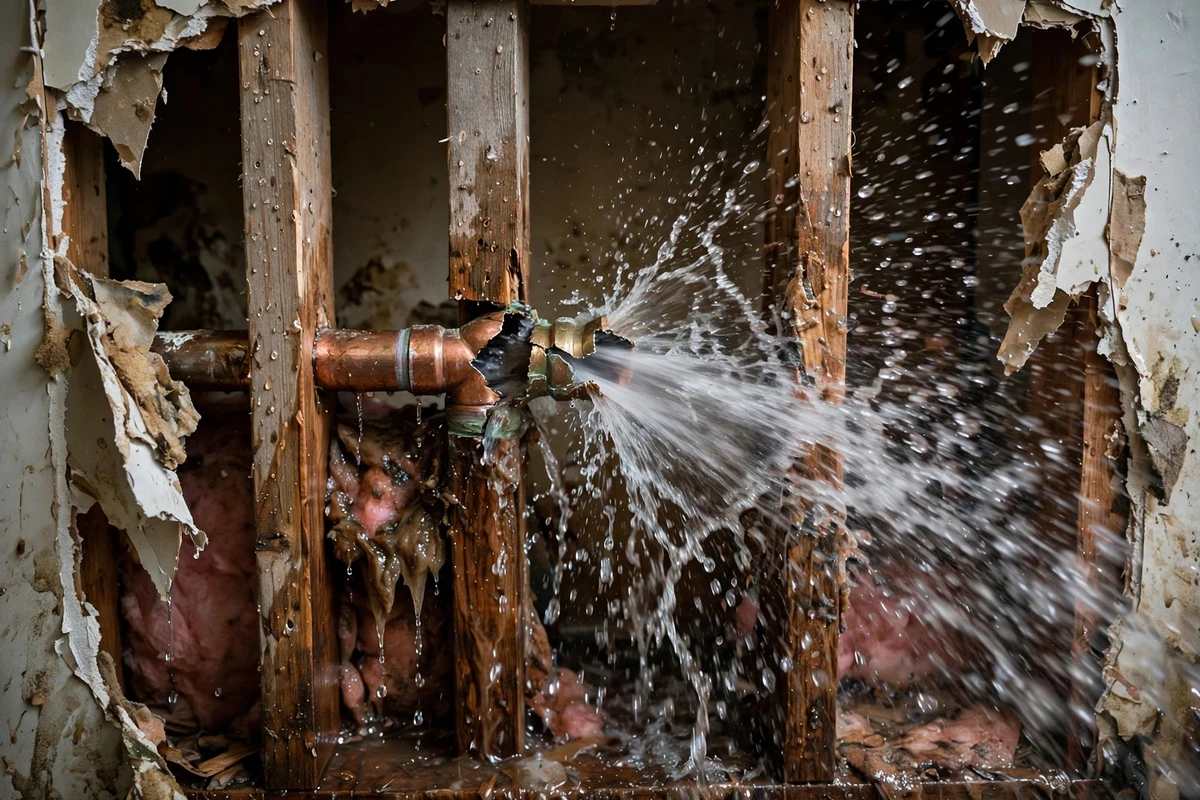
One visit protects your whole plumbing system. We'll test your pressure, inspect your regulator (or its absence), and install a properly set regulator, so the repair you never need is the best kind.
Call (562) 245-5416People Also Ask
Can high water pressure damage my water heater?
Yes. Constant high pressure strains a water heater's tank, relief valve, and connections, and it can shorten the unit's service life. Thermal expansion adds to the strain each time the tank heats. A regulator on the main line protects the heater along with every other fixture, which is why pressure problems deserve attention before something fails.
Why is my water pressure higher at night?
Pressure often climbs overnight because fewer homes in the neighborhood are drawing water at the same time, so more of the street pressure reaches your fixtures. That nightly rise is normal, but it also means a home without a regulator can sit at its highest pressure for hours. A gauge reading taken in the morning captures that peak.
Do I need a pressure regulator if my pressure is only a little high?
Even mildly high pressure wears joints, washers, and fixture valves faster than normal pressure, and the damage accumulates quietly over years. A regulator is a modest, one-time correction that holds pressure steady instead of letting it drift upward. If a gauge shows readings above the safe range, having a plumber confirm the fix is worthwhile.
Contact Lakewood Pipe Rescue
Reach out any time. We aim to answer promptly and get help moving as quickly as we can.
Call
(562) 245-5416
Emergency line, call any time.
Visit
4400 Ladoga Ave
Lakewood, CA 90713, USA
contact@burstpiperepairlakewoodca.com
We aim to reply within one business day.
Prefer to talk it through?
Call and describe what you're seeing, water where it shouldn't be, a hissing wall, a sudden pressure drop. We'll tell you the safest next step before anyone rolls a truck.